About
The Built Review provides independent analysis of how the built environment affects the people who use it, and what that means for those who design, build and finance it.
Every document has a free preview, and an open sample of each type is free to read in full. The full documents are for members. The newsletter is free.
Research that reaches practice
There is plenty of research on buildings and people but it is barely written for practice. The Built Review makes that evidence usable for real-estate investors and developers, corporate real-estate and workplace leaders, the architects who work with them and others who want to understand the science behind building for people.
Design that improves people's wellbeing raises a building's value. In offices it means higher productivity, in housing it means stable tenants.
Reports appear when there is something worth saying. There is no fixed schedule.
Quantitative claims carry a dated source. Where the figure is a point estimate from a sample, the sample size and method are given.
Where two credible data sources disagree, both are reported, and the disagreement is treated as the finding.
Christian Huser
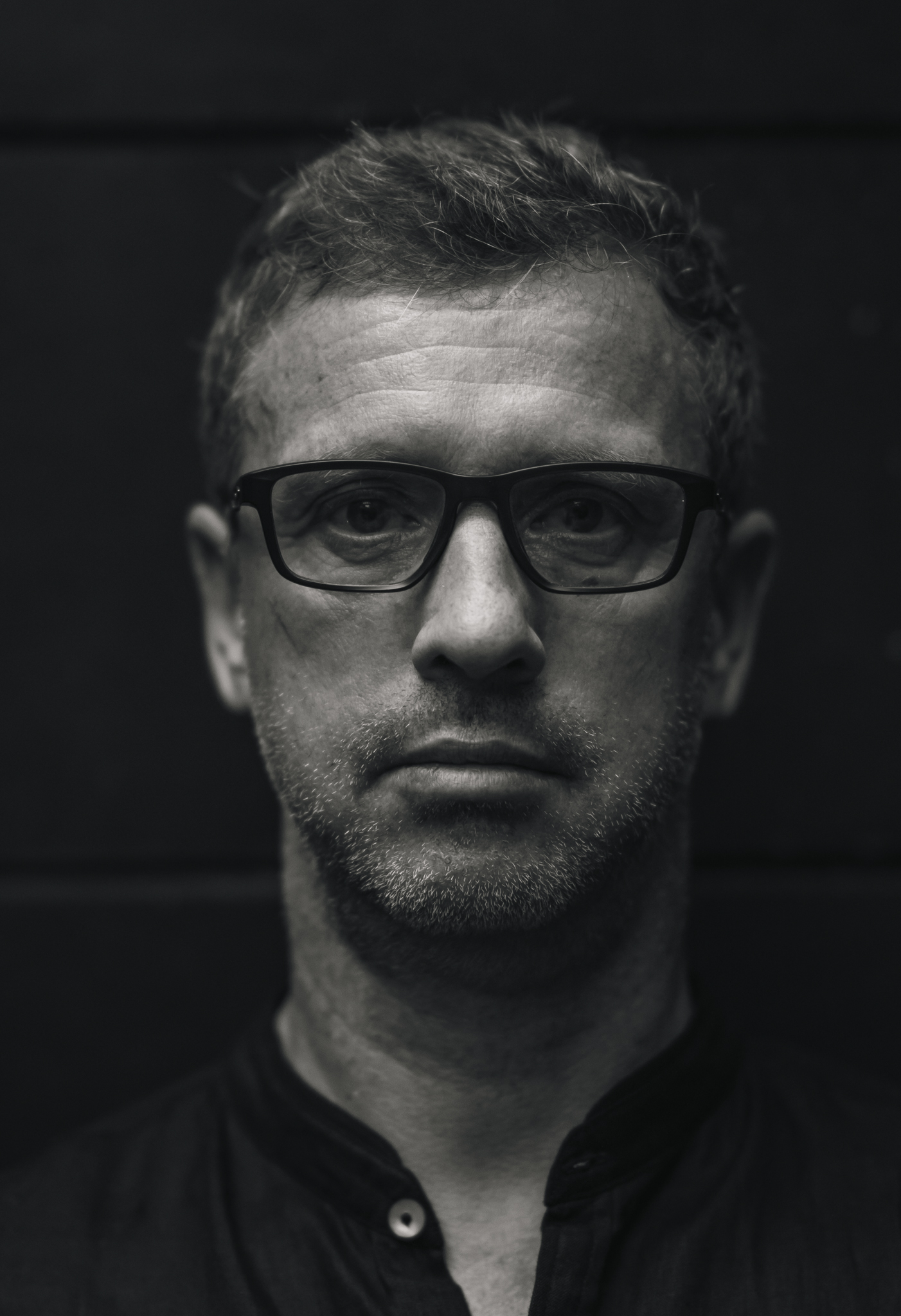
Reports and work documents are written by me, Christian Huser. I research, write and publish on my own. There is no editorial board.
While studying marketing, I founded my first software and marketing company. I advised firms such as Nestlé, BMW and 3M on strategy and technology and built global trading ventures and real-estate projects of my own. Over time I have built systems for finding patterns in unstructured data. First for clients, now for the research behind these reports. I co-authored a book on how small and mid-sized companies use AI today.
Writing has been my way of learning since school and its most important lesson is that not understanding facts and ignoring reality are real obstacles. Through my work in architecture and real estate, I learned how strongly our surroundings influence how we learn, feel and perform. I went looking for a solid evidence base for it and found none. So I started The Built Review.
I work from Germany and write in English.